Trucking insurance
Trailer Interchange Insurance
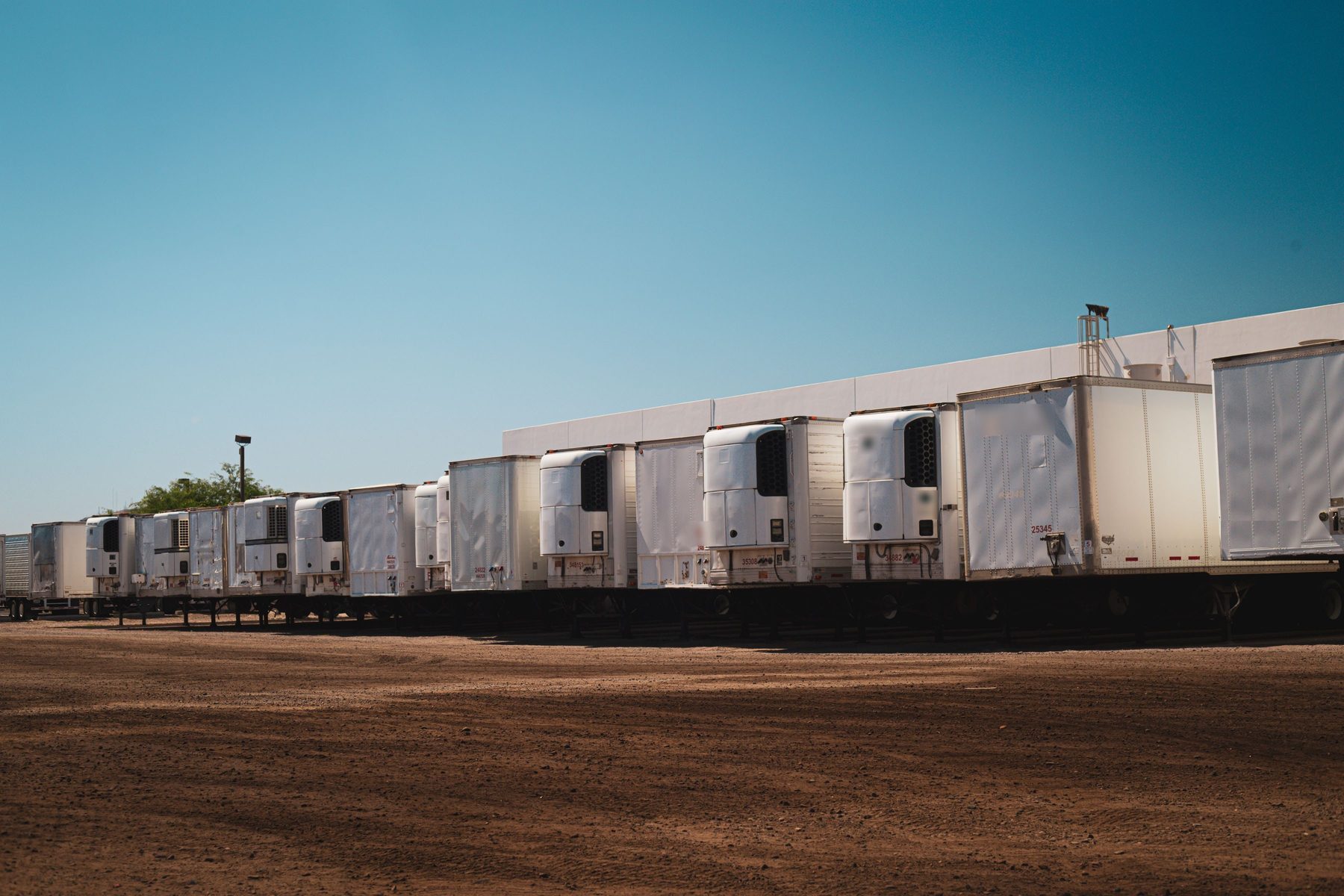
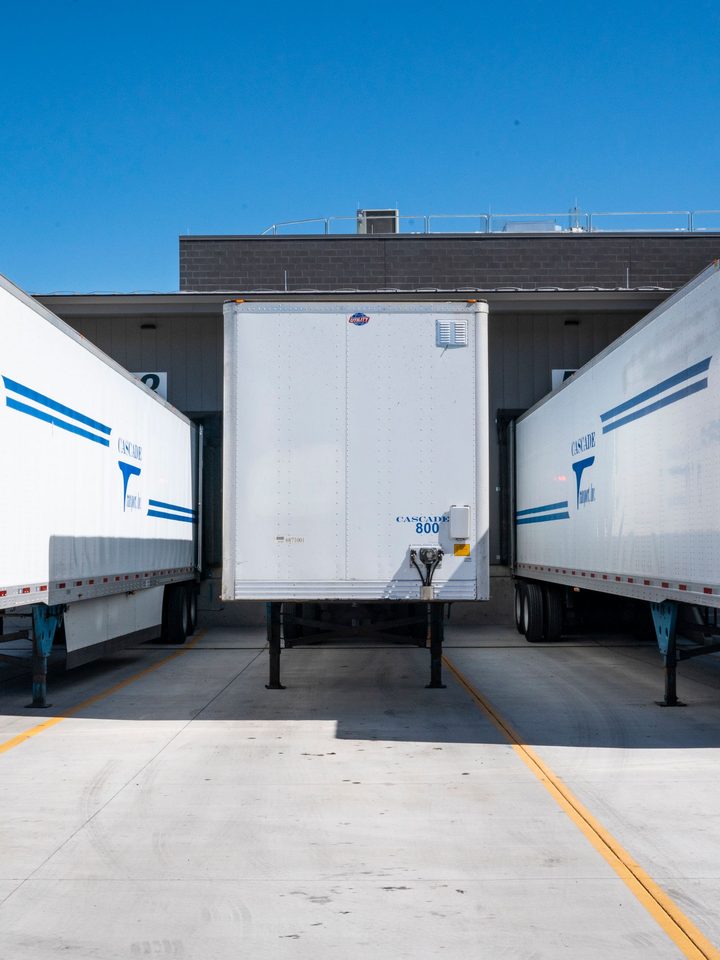
Trailer interchange insurance covers damage to a trailer you pull but do not own, while it is in your care under a trailer interchange agreement.
Trucking insurance
How Trailer Interchange Works
Carriers often hand trailers to one another so a load can finish its trip. The written contract for that is a trailer interchange agreement, and it makes you responsible for the trailer while you have it. This coverage pays for covered damage to that trailer, up to your limit and under the terms of the policy. That usually means damage from:
- Collision
- Fire
- Theft
- Vandalism
Who Needs It?
- Carriers that pull trailers owned by another carrier, a shipper or a leasing company under a written interchange agreement.
- Carriers that haul containers to and from ports and rail yards on chassis they do not own.
- Any carrier whose contract asks for trailer interchange coverage.
Choosing a Limit
Set the limit at the value of the most expensive trailer you are likely to pull. Your interchange agreement may name the amount and the highest deductible it allows. Within that, you can usually choose the deductible.
Interchange or Non-Owned Trailer?
The two are easy to confuse.
- Trailer interchange applies when a written interchange agreement is in place.
- Non-owned trailer physical damage covers a trailer you pull without an interchange agreement, and usually only while it is attached to your truck.
- Send us the agreement and we will tell you which one it calls for.
More trucking coverage
Related articles
See all- How to Protect Your Company Vehicles with Commercial AutoAre your company vehicles underinsured?
- Does My Construction Business Need Commercial Auto?Does your construction business need commercial auto insurance, or will your personal coverage be enough?
- What is Commercial Auto Insurance?Cars, trucks, and vans are arguably some of the most used tools on and around our job sites.