Business insurance
Mobile Mechanic Insurance
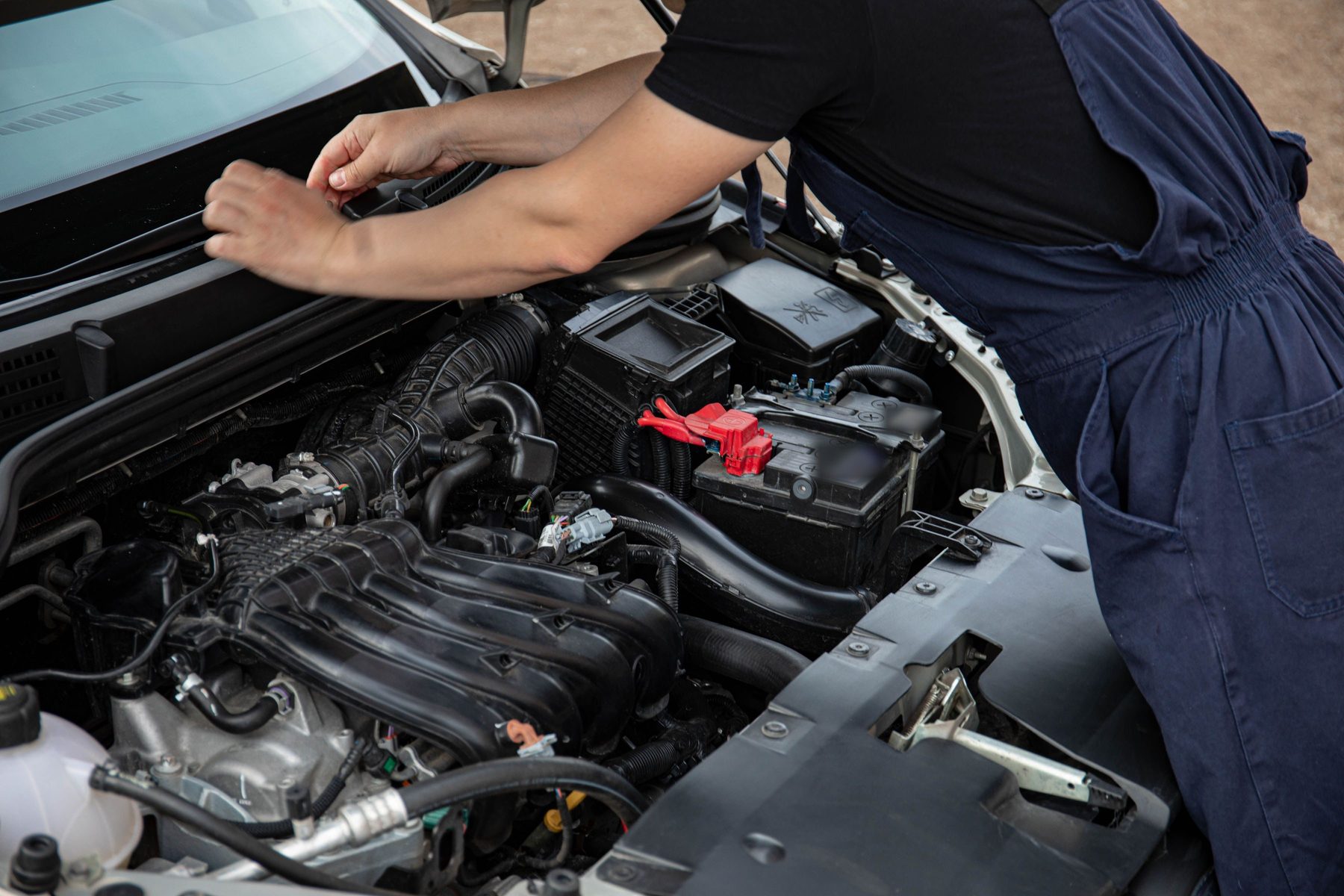
Mobile mechanic insurance is a group of policies for mechanics and tire services that work from a van or truck at the customer's location. Each policy covers a different part of the job.
Business insurance
What Mobile Mechanic Insurance Covers
A mobile repair business usually carries several policies. Some insurers sell several of them together as garage insurance, and others write them separately.
- Liability to others. General liability covers injury to other people and damage to their property.
- Customers’ vehicles. Garagekeepers coverage pays for damage to a vehicle in the mechanic’s care.
- The service vehicle. Commercial auto covers the van or truck.
- Tools. Tools and equipment coverage protects the gear carried to each job.
- Employees. Workers’ compensation pays for employees’ job injuries under state law, and who must carry it differs by state.
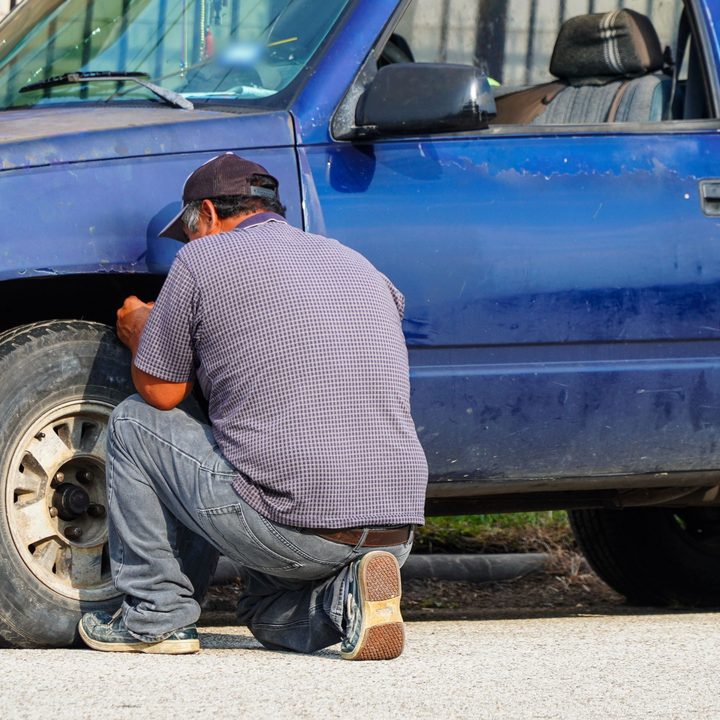
The Customer’s Vehicle
General liability usually excludes property in the care, custody or control of the business, which can include the vehicle being repaired. Garagekeepers coverage is meant to fill that gap.
- Fault. Some versions pay only when the business is legally responsible. Others pay regardless of fault.
- Location. It is often written for a listed address. Confirm in writing that it applies at a customer’s driveway or the roadside.
- The limit. The most the policy pays should reflect the value of the vehicles in the mechanic’s hands at once.
- Towing. On-hook coverage, for damage to a towed vehicle, matters only to a business that tows.
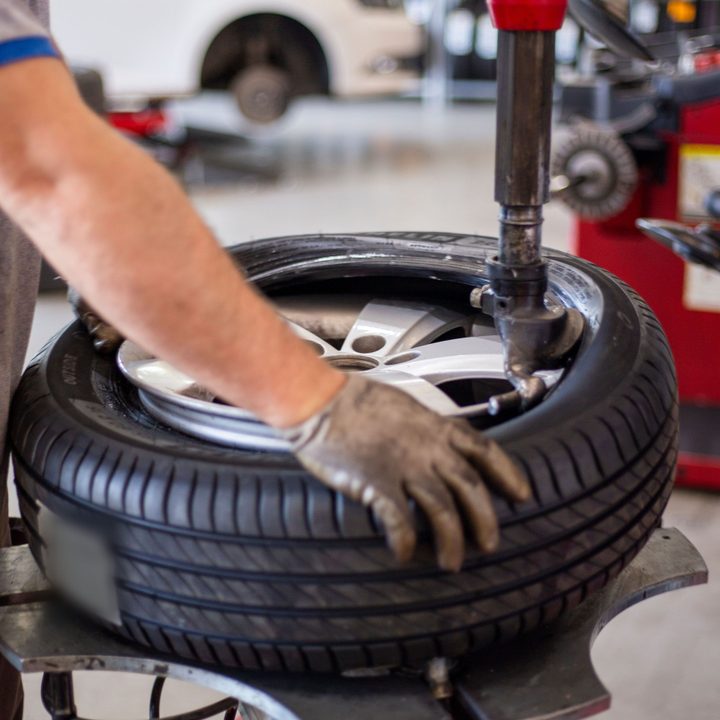
When a Repair Fails Later
Most general liability policies include completed operations coverage, which is for injury or damage the work causes after the job is done.
- Brakes that fail after a brake job and cause an accident are one example.
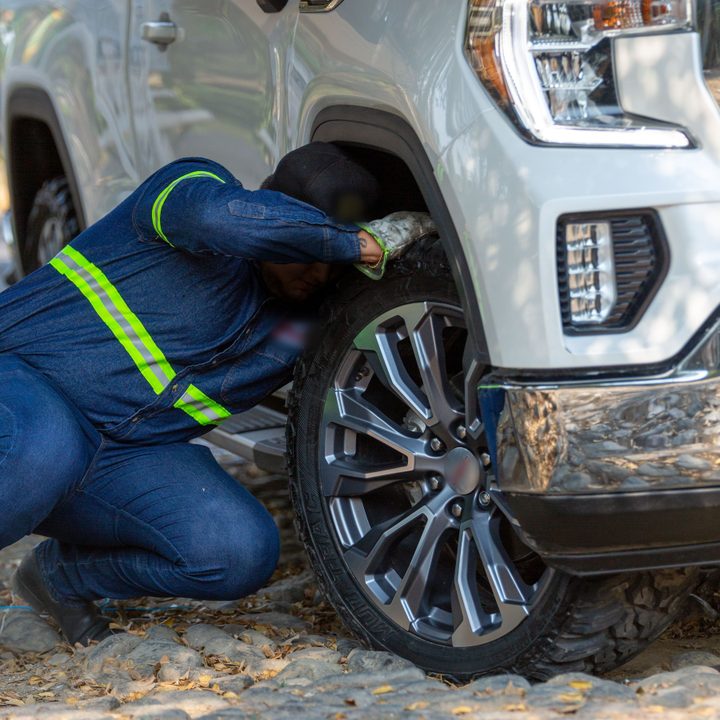
- A wheel that comes off after tire service is another, and the claim can be large.
- The cost of redoing the repair itself is usually treated as a business cost, not an insured loss.
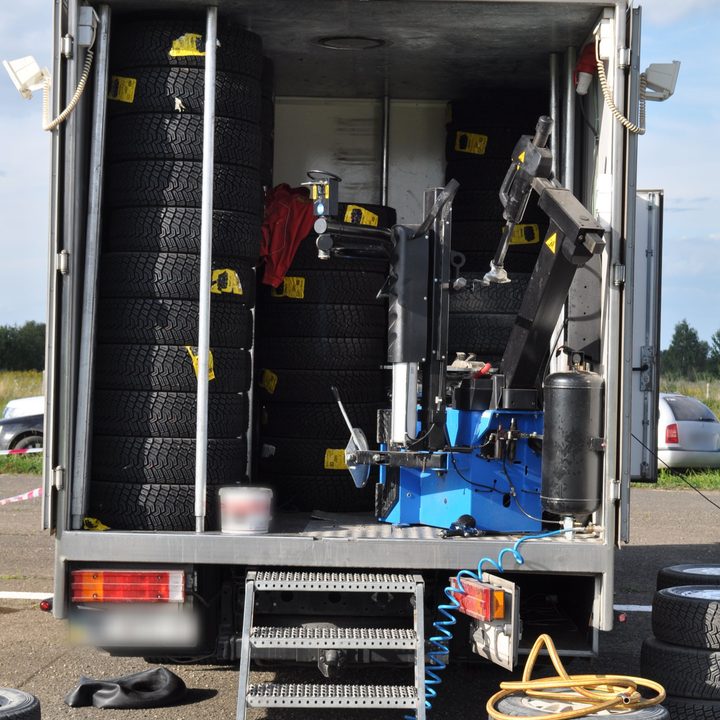
The Van and the Tools
A personal auto policy often will not cover a vehicle used mainly for business.
- Most states require liability insurance on a vehicle driven for business, which is part of a commercial auto policy.
- Commercial auto usually covers the vehicle, not loose tools inside it.
- Loose tools and jacks are usually insured under tools and equipment coverage, also called inland marine insurance.
- Equipment mounted on the van, such as a compressor, may fall under commercial auto instead.
Why Customers Ask for a Certificate
A certificate of insurance is a summary showing that certain coverages and limits have been bought. It is not the policy.
- Fleets and repair shops that send work out may ask for one as proof of insurance.
- Some roadside assistance networks publish their own insurance requirements, which can change.
- Some customers also ask to be named as an additional insured, which means being added to the policy.
More business coverage


Related articles
See all- What Does General Liability Insurance Cover for Contractors?Contractor general liability insurance is essential business insurance coverage for construction companies and tradespeople.
- How to Protect Your Company Vehicles with Commercial AutoAre your company vehicles underinsured?
- Prevent These 3 Summer Season RisksSummer is all fun and games until you need to file a claim. The summer months increase the risk of certain seasonal incidents, and claims can often soar in…