Personal insurance
Mobile Home Insurance
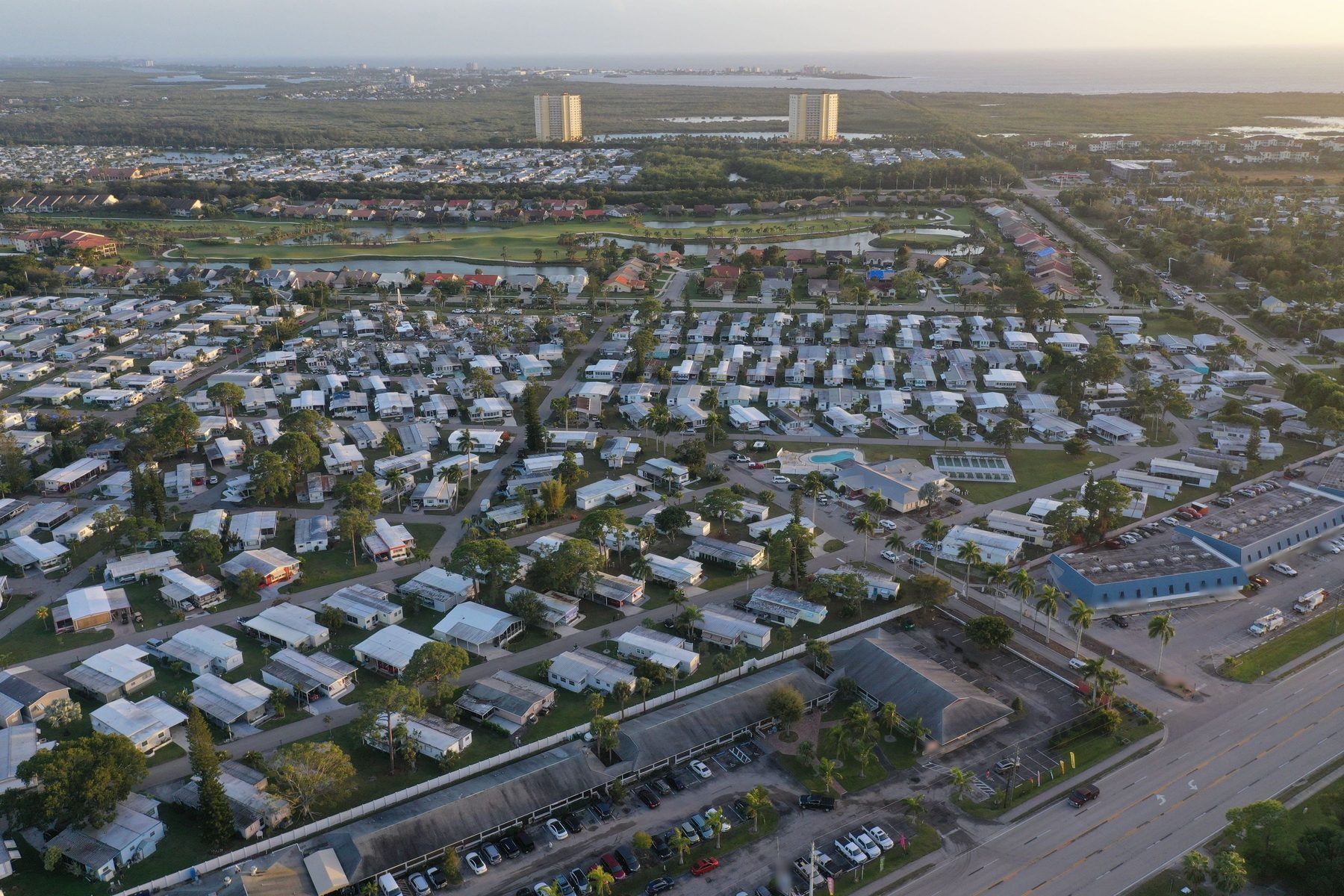
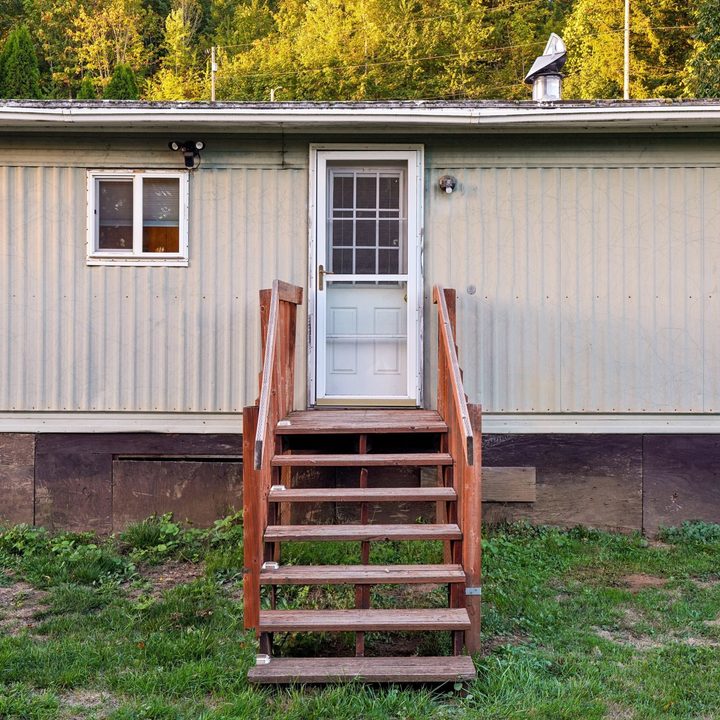
Mobile home insurance, also called manufactured home insurance, covers a factory-built home, the belongings in it and claims made against its owner. It is for owners of a mobile home on private land or in a park.
Personal insurance
What Mobile Home Insurance Covers
Homes built to the federal code in force since June 15, 1976, are officially called manufactured homes, though many people still say mobile home. They are insured on a policy written for them, sometimes called an HO-7, which can be narrower than a standard homeowner’s policy. Most policies cover:
- The home. The structure and its factory-installed equipment.
- Other structures. Storage sheds and garages.
- Belongings. Personal property, with lower limits on valuables such as jewelry.
- Liability. Claims from other people for injury or property damage the owner is legally responsible for.
- Additional living expenses. The extra cost of living elsewhere while covered damage is repaired. Not every policy includes it.

What It Usually Leaves Out
- Flood. Flood damage usually takes separate flood insurance.
- Earthquake. Depending on the insurer, coverage is sold as a separate earthquake policy or as an add-on.
- Wear and tear. Gradual damage such as rot, repeated leaks and settling.
How the Home Is Valued
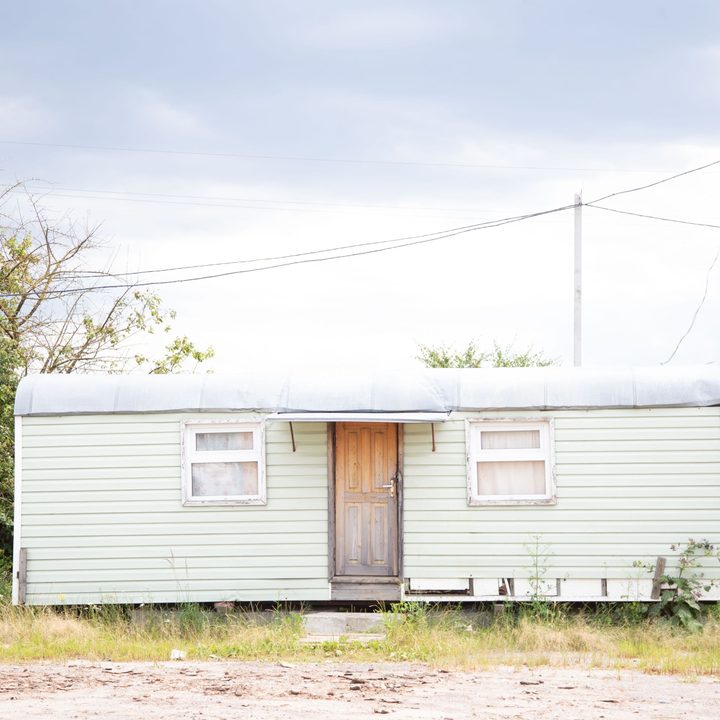
A manufactured home can lose value as it ages, so its age often decides how a claim is paid. The policy says which method applies.
- Actual cash value pays the cost to repair or replace, minus depreciation, the value lost to age and wear. Many policies are written this way.
- Replacement cost pays for new materials of similar quality, up to the policy limit, with nothing taken off for age. It is usually optional and not offered on every home.
- Stated amount pays the amount written on the policy if the home is destroyed. Some insurers offer it.
Coverage While the Home Is Moved
Most standard policies do not cover the home on the road. Some insurers sell an add-on for the move, often called trip collision coverage.
- It usually covers a collision or the home overturning, often for one move within a set number of days.
- It has to be bought before the move.
- The moving company’s protection may not be enough.
Who Needs It?
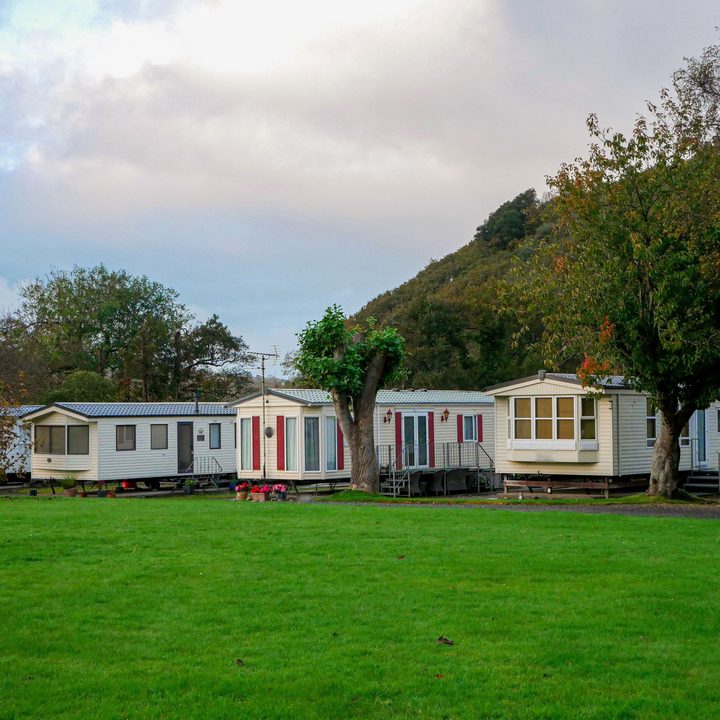
Lenders usually require insurance on a financed home, and many parks ask for it too.
- Owners with a loan. If coverage lapses, the lender can often buy a policy at the owner’s expense, usually without belongings or liability.
- Owners in a park. A park may be listed as an interested party, which is told of changes and renewals but is not insured.
- Landlords. An owner who rents the home out usually needs a landlord policy instead.
- Tenants. The owner’s policy usually does not cover a tenant’s belongings. That takes renters insurance.
More personal coverage



Related articles
See all- Fire Insurance FAQs for 2025Fires erupted in Los Angeles, California, on January 7, 2025.
- A Guide to Auto Insurance for Your Business and Personal VehiclesUnderstanding auto insurance becomes a bit more complicated when you use vehicles for business and personal use.
- Does Liability Insurance Cover Theft?General liability insurance, otherwise known as commercial general liability insurance, is a valuable tool to keep your business protected.